
The Ultimate Korean Pork Bone Soup Recipe (Dwaeji-gukbap) – Busan’s Soul Food
The Ultimate Korean Pork Bone Soup Recipe (Dwaeji-gukbap)
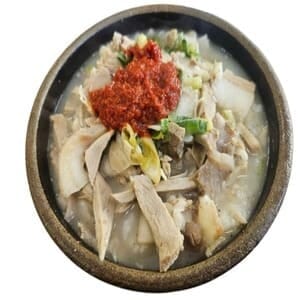
There’s something magical about a steaming bowl of dwaeji-gukbap that goes way beyond just filling your stomach. This isn’t your average soup – it’s Busan’s heartbeat in a bowl, a story of resilience, and quite possibly the most underrated Korean dish you need to try.
Born from hardship during the Korean War, when refugees gathered discarded pork bones from American military bases to create nourishing meals, dwaeji-gukbap has evolved into one of South Korea’s most beloved comfort foods. Today, this milky-white soup represents everything beautiful about Korean cuisine: resourcefulness, community, and the ability to turn simple ingredients into something extraordinary.
Why This Korean Pork Soup Will Change Your Life
Let’s be honest – dwaeji-gukbap might not win any beauty contests. It’s not Instagram-pretty like bibimbap or trendy like Korean fried chicken. But here’s what makes it special: this humble soup packs more flavor and nutrition than dishes twice its price.
The health benefits are incredible: The long simmering process breaks down collagen from the pork bones into easily digestible gelatin, giving you natural collagen that supports joint health, improves skin elasticity, and aids digestion. We’re talking about 14+ grams of protein per serving, plus essential amino acids like glycine that can actually improve your sleep quality.
But beyond the nutrients, there’s something deeply satisfying about this soup that hits you right in the soul – especially on cold, rainy days when you need comfort most.
Essential Ingredients for Authentic Dwaeji-gukbap
For the bone broth (the star of the show):
3-4 lbs pork spine bones and leg bones (mixed is best for complexity)
1 lb pork shoulder or belly
2-inch piece of fresh ginger
1 whole onion, quartered
6-8 garlic cloves
2-3 green onions
For seasoning and serving:
Saeujeot (salted shrimp) – the secret weapon
Korean soup soy sauce (not regular soy sauce!)
Sea salt and white pepper
Fresh garlic chives (buchu) – spring ones are magical
Steamed short-grain rice
Aged kimchi and kkakdugi (cubed radish kimchi)
The Art of Making Perfect Pork Bone Broth
Step 1: The Foundation (Don’t Skip This!)
Soak your pork bones in cold water for at least 3 hours, changing the water every hour. This isn’t just busy work – it’s what separates restaurant-quality broth from mediocre home versions. You’re drawing out impurities that would otherwise cloud your soup.
Next, blanch everything in boiling water for 10 minutes. Drain, rinse thoroughly under cold water, and scrub the bones clean. This double-cleaning process is what gives you that gorgeous milky-white broth without any funky smells.
Step 2: The Magic Happens
Place the cleaned bones, pork shoulder, ginger, onion, and garlic in a large pot. Cover with water (about 12-14 cups) and bring to a gentle boil. Here’s the crucial part: keep it at a gentle simmer, not a rolling boil. High heat will make your broth murky.
Simmer uncovered for 3-4 hours minimum. You’ll know it’s ready when the broth turns creamy white and you can easily shred the pork with a fork. The bones should look clean, having given up all their goodness to the broth.
Step 3: The Traditional “Toryeom” Method
Here’s an authentic touch most recipes miss: toryeom (토렴). This traditional technique involves gradually warming your rice by pouring hot broth over it, then draining it, repeating several times until the rice reaches the perfect temperature. It prevents the rice from getting mushy while ensuring every grain absorbs that incredible flavor.
Serving Like a Pro (This Makes All the Difference)
Strain your broth through a fine-mesh strainer and season with saeujeot, soup soy sauce, and salt to taste. The beauty of dwaeji-gukbap is in the customization – everyone seasons their own bowl differently.
Here’s how locals do it:
- Place warm rice in your bowl
- Add generous portions of thinly sliced pork
- Pour the steaming broth over everything
- Top with fresh chives (the spring ones have this amazing peppery bite)
- Season gradually with saeujeot and salt – taste as you go!
Pro tip: If you’re lucky enough to get fresh spring chives between March and May, you’re in for a treat. They add this bright, almost spicy note that cuts through the rich broth perfectly.
Regional Variations Worth Exploring
While Busan-style dwaeji-gukbap reigns supreme with its clear, milky broth, you’ll find delicious variations across Korea:
Sundae-gukbap: Includes Korean blood sausage for extra richness and a slightly metallic, earthy flavor that sounds weird but tastes incredible.
Naejang-gukbap: Features pork offal for the adventurous – it adds chewiness and intensifies the porky flavor.
Milyang-style: Uses a thicker, more concentrated broth and often includes extra vegetables.
Insider Secrets for Restaurant-Quality Results
After testing this recipe dozens of times (and eating my way through Busan’s famous “Dwaeji-gukbap Alley”), here are the game-changing tips:
- Use a mix of bone types: Spine bones give you flavor, leg bones provide collagen. The combination creates complexity you can’t get from using just one type.
- Temperature matters: Keep it at 185-200°F (85-93°C). A full rolling boil emulsifies the fat too much and makes the broth greasy rather than clean and milky.
- Time is your friend: Don’t rush this. The difference between 2-hour broth and 4-hour broth is night and day. The collagen needs time to fully break down.
- Season at the table: Never salt the pot. Traditional Korean bone broths are always seasoned individually, allowing each person to find their perfect balance.
Cultural Context: More Than Just Food
Understanding dwaeji-gukbap means understanding a piece of Korean history. This soup represents the resilience of the Korean people – taking scraps and creating something nourishing and delicious. In Busan, it’s not just a meal; it’s a social experience.
You’ll often see groups of friends sharing bowls after a night out, or construction workers warming up with steaming portions before work. It’s democratic food – equally loved by taxi drivers and business executives.
The dish is also considered particularly beneficial for new mothers, providing the protein and collagen needed for recovery. Many Korean families have specific dwaeji-gukbap restaurants they’ve been visiting for generations.
Nutritional Powerhouse in Disguise
Don’t let the simple appearance fool you – this soup is nutritionally dense:
- High-quality protein: About 14-20g per serving from the pork
- Natural collagen: Broken down into easily absorbed gelatin
- Essential amino acids: Including glycine for better sleep and proline for joint health
- Minerals: Calcium, phosphorus, and magnesium from the bones
- Low calories: Around 190-220 calories per serving (without extra rice)
The long cooking process makes all these nutrients highly bioavailable, meaning your body can actually use them effectively.
Storage and Meal Prep Tips
Here’s something most recipes don’t tell you: dwaeji-gukbap actually improves with time. The flavors meld and develop, making day-two soup even better than day-one.
Storage: Keep the broth and pork separate in the refrigerator for up to 4 days. The broth will gel when cold – this is exactly what you want! That jelly-like texture means you’ve extracted maximum collagen.
Reheating: Gently warm the gelatinized broth in a pot. Don’t microwave – it heats unevenly and can break the emulsion you worked so hard to create.
Freezing: The broth freezes beautifully for up to 3 months. Freeze in ice cube trays for easy portioning.
Final Thoughts: Why This Recipe Matters
In a world of flashy food trends and Instagram-worthy dishes, dwaeji-gukbap reminds us that the best foods often come from the simplest places. It’s not about exotic ingredients or complicated techniques – it’s about patience, technique, and respect for tradition.
This soup connects you to Korean culture in a way that goes beyond just eating. Every spoonful tells the story of a people who faced hardship and created beauty from scraps. It’s comfort food in the truest sense – not just filling your stomach, but warming your soul.
So next time you’re craving something deeply satisfying, skip the trendy ramen shop and make this instead. Your kitchen will smell incredible, your body will thank you for the nutrients, and you’ll understand why this humble soup has captured hearts in Korea for over 70 years.
Have you tried making dwaeji-gukbap at home? I’d love to hear about your experience – drop a comment below and let me know how your version turned out!
Thank you for reading this post.
Please note: We do not encourage underage drinking. Enjoy responsibly.