
How to Make Korean Ssamjang: Your Complete Guide to Korea’s Most Addictive Sauce (Plus Health Benefits & Storage Tips)
How to Make Korean Ssamjang
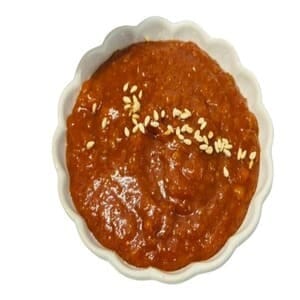
Ready to fall in love with Korean flavors? Ssamjang is the secret weapon behind every amazing Korean BBQ experience. This incredible sauce combines two powerhouse fermented pastes – doenjang (soybean paste) and gochujang (chili paste) – to create something that’s salty, spicy, sweet, and absolutely irresistible. Whether you’re planning your first Korean BBQ night or just want to add some serious flavor to your everyday meals, this guide will teach you everything you need to know about making authentic ssamjang at home.
What Makes Ssamjang So Special?
Think of ssamjang as Korea’s answer to barbecue sauce, but way more complex. The name literally means “wrapping sauce” (ssam = wrap, jang = sauce), and it was born from Korea’s love affair with wrapping grilled meat and rice in fresh lettuce leaves.
What sets this sauce apart isn’t just its incredible flavor – it’s the fact that you’re basically eating liquid health food. Both doenjang and gochujang are fermented for months, creating beneficial bacteria that your gut absolutely loves. Recent studies have shown that gochujang can significantly increase healthy gut bacteria like Akkermansia muciniphila, which is linked to reduced inflammation and better metabolic health.
The Fascinating History Behind the Sauce
Ssamjang’s story is really the story of Korean survival and creativity. Koreans have been eating fermented foods for over 5,000 years, and for good reason – fermentation was the key to surviving harsh winters.
Doenjang came first – this funky, deeply savory paste has been Korea’s protein powerhouse since the Joseon Dynasty. Made from fermented soybeans, it provided essential amino acids when meat was scarce.
Gochujang joined the party later – after chili peppers arrived during the Japanese invasions of 1592-1598. It took a while for Koreans to embrace these fiery newcomers, but by the late Joseon period, they couldn’t imagine Korean food without them.
When someone first had the brilliant idea to mix these two fermented champions together, ssamjang was born. As Korean BBQ culture exploded worldwide, this humble sauce became many people’s first taste of authentic Korean flavors.
The Science: Why Ssamjang Is Actually Good for You
Here’s where things get really exciting. Ssamjang isn’t just delicious – it’s genuinely nutritious. Research from Korean hospitals shows that regular consumption of fermented soybean pastes like doenjang is associated with lower risk of metabolic syndrome, especially reduced body fat and better blood pressure control.
The Fermentation Magic:
- Probiotics galore: Both doenjang and gochujang contain gut-health promoting probiotic bacteria that support digestion and immune function
- Better protein absorption: Fermentation breaks down soy proteins into easily digestible amino acids
- Antioxidant power: The garlic, onion, and chili peppers provide iron, vitamin A, vitamin C, and powerful antioxidants
- Blood pressure benefits: Studies show that doenjang consumption may actually help control blood pressure despite its salt content
Your Shopping List: What You Need
The Essential Duo
- Doenjang (Korean soybean paste) – 3 tablespoons (look for brands with just soybeans, water, and salt)
- Gochujang (Korean chili paste) – 2 tablespoons (adjust for your heat tolerance)
The Flavor Squad
- Fresh garlic, minced – 1 tablespoon (don’t skimp on this!)
- Yellow onion, finely diced – 2 tablespoons
- Scallions, chopped – 2 tablespoons
- Toasted sesame oil – 1 tablespoon
- Toasted sesame seeds – 1 tablespoon
- Honey or corn syrup – 1 tablespoon
Optional Flavor Boosters
- Fresh green chili, minced (for extra heat)
- Apple or pear juice (adds amazing freshness)
- Chopped walnuts or pine nuts (for crunch and richness)
- A splash of rice vinegar (brightens everything up)
How to Make Perfect Ssamjang (Step-by-Step)
Step 1: Prep Your Aromatics
Get your garlic, onion, and scallions chopped up nice and fine. The smaller you go, the better they’ll blend with the pastes. Pro tip: if you really hate chunky onion, grate it instead – you’ll get all the flavor without the texture.
Step 2: Marry Those Pastes
In a bowl, combine your doenjang and gochujang in a 3:2 ratio. Here’s the secret many recipes don’t tell you: don’t just stir with a spoon. Get your hands in there (make sure they’re clean!) and really work the pastes together by rubbing them between your fingers. This releases more flavor compounds and creates that perfect creamy texture.
Step 3: Build the Flavor
Mix in your minced aromatics and add your sweetener. If you’re using apple juice (highly recommended!), add just a tablespoon – you want that fresh, clean taste without making things watery.
Step 4: The Finishing Touch
Drizzle in that golden sesame oil and sprinkle your toasted sesame seeds. If you’re adding nuts, now’s the time. Give everything one final mix and taste – adjust sweetness, heat, or saltiness as needed.
Pro Tips for Next-Level Ssamjang
Choose your pastes wisely: The best doenjang will have only soybeans, water, and salt – avoid anything with added sugar, MSG, or wheat. For beginners, slightly less gochujang and more doenjang creates a milder, more approachable flavor.
The onion trick: Want restaurant-quality smoothness? Grate your onion on a microplane instead of chopping it. You’ll get all that sweet flavor without any chunks.
Make it yours: Some people love a touch of ginger, others swear by adding a bit of miso paste for extra depth. One popular variation includes adding a bit of apple for natural sweetness and freshness.
Beyond Korean BBQ: Creative Ways to Use Ssamjang
Don’t limit this sauce to just ssam wraps! Here are some genius ways to use it:
Instant flavor bombs:
- Stir into fried rice for an umami explosion
- Mix with mayo for the ultimate burger sauce
- Toss with roasted vegetables before serving
- Use as a marinade for tofu or chicken
- Drizzle over eggs (seriously, try it)
Fusion favorites:
- Ssamjang pasta sauce (trust me on this one)
- Korean-style pizza dip
- Spicy ssamjang hummus
- Loaded nachos with Korean flavors
Dietary-Friendly Versions
For Our Gluten-Free Friends
You can easily make gluten-free ssamjang by using miso paste (made from rice instead of wheat) as a doenjang substitute, plus gluten-free gochujang. The flavor will be slightly different but still absolutely delicious.
Vegan Version
Traditional ssamjang is usually vegan already! Just swap honey for maple syrup or agave nectar. Always check your gochujang label though – some brands sneak in fish sauce.
Low-Sodium Option
Cut the saltiness by using less doenjang and adding more sweet elements like grated apple or pear. You can also thin it out slightly with unsalted vegetable broth.
Storage Secrets: Making Your Ssamjang Last
Here’s what you need to know about keeping your homemade ssamjang fresh:
Fresh is best: Ssamjang is absolutely at its peak right after you make it, but it’ll stay good in the fridge for about 10 days.
The container matters: Store it in an airtight glass container to prevent flavor transfer and maintain quality. Mason jars work perfectly.
Freezer hack: Portion your ssamjang into ice cube trays and freeze. Pop out a cube whenever you need a flavor boost – they’ll keep for up to 2 months.
Keep it clean: Always use a clean spoon when scooping out sauce. This prevents contamination and keeps your ssamjang fresher longer.
Pro tip: If you’re making a big batch for long-term storage, don’t add the diced onions to the whole batch – they release water over time and can make the sauce weepy. Instead, mix in fresh onion right before serving.
Store-Bought vs. Homemade: The Real Deal
Let’s be honest – you can totally buy ssamjang at any Korean grocery store. Popular brands include Sempio and Haechandeul, but most commercial versions contain lots of additives including corn syrup.
Why make your own?
- Control the heat level perfectly for your taste
- No weird preservatives or artificial flavors
- Fresher, brighter flavors from real garlic and onion
- Customize with your favorite add-ins
- It’s honestly way more fun!
Nutritional Powerhouse Breakdown
Every spoonful of homemade ssamjang gives you:
Probiotics for gut health: The fermentation process creates beneficial bacteria that support digestive health and immune function
Complete proteins: Fermented soybeans provide all essential amino acids
Antioxidant arsenal: Garlic, onions, and chilies deliver vitamins A and C plus powerful anti-inflammatory compounds
Healthy fats: Sesame oil provides omega-6 fatty acids and vitamin E
Metabolism support: Regular consumption of fermented soy products like doenjang has been linked to better metabolic health and reduced disease risk
Troubleshooting Common Issues
“My ssamjang is too salty!” – Add more sweetener (honey, apple juice, or grated apple) to balance things out.
“It’s not spicy enough!” – Mix in some extra gochujang or add fresh minced chili peppers.
“The texture is too thick.” – Thin it out with a tiny bit of water, apple juice, or sesame oil.
“It tastes flat.” – You probably need more garlic or a splash of rice vinegar to brighten everything up.
Ready to Transform Your Kitchen?
Ssamjang is more than just a condiment – it’s your gateway to understanding why Korean cuisine has taken the world by storm. The beautiful balance of fermented funkiness, gentle heat, and natural sweetness creates something that makes everything taste better.
The best part? Once you start making your own, you’ll never want to go back to store-bought. You can dial in the flavors exactly how you like them, and there’s something deeply satisfying about creating this ancient sauce in your own kitchen.
So grab those fermented pastes, fire up the grill (or just slice some fresh vegetables), and get ready to discover your new favorite sauce. Your taste buds – and your gut bacteria – will thank you!
One final tip: Don’t be surprised if you find yourself putting ssamjang on everything. It’s been called “Korea’s ketchup” for a reason – once you start, it’s hard to stop. And honestly? That’s not a bad problem to have.
Thank you for reading this post.
Please note: We do not encourage underage drinking. Enjoy responsibly.