
How to Make Korean Kimbap at Home: Easy Step-by-Step Recipe Guide
How to Make Korean Kimbap at Home
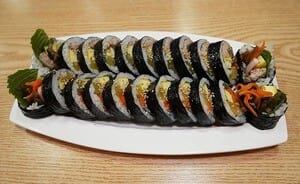
Kimbap is one of Korea’s most beloved comfort foods – think of it as Korea’s answer to sushi rolls, but with its own unique twist! This delicious dish features seasoned rice and colorful fillings wrapped snugly in crispy seaweed sheets. Whether you’re packing lunch for work, planning a picnic, or just craving something tasty and satisfying, kimbap hits the spot every time.
What makes kimbap so special? It’s incredibly versatile, totally portable, and surprisingly easy to make once you get the hang of it. Plus, it’s a great way to use up leftover ingredients in your fridge! In this guide, we’ll walk you through everything from preparing the perfect seasoned rice to rolling technique that’ll make your kimbap look restaurant-quality.
What You’ll Need: Kimbap Ingredients and Prep
For the Rice (makes 4 rolls)
- 2 cups short-grain rice
- 1 tablespoon sesame oil
- 1/2 teaspoon salt
- 1 tablespoon toasted sesame seeds
Essential Fillings
- 4 sheets of kimbap seaweed (kim/nori)
- 3 eggs
- 4 strips of yellow pickled radish (danmuji)
- 1 cucumber or carrot
- A handful of fresh spinach
- 4 strips of ham or imitation crab
Mix It Up: Optional Fillings
Feel free to get creative! Cheese, bulgogi beef, tuna mayo, kimchi – the sky’s the limit when it comes to kimbap fillings.
Step-by-Step Kimbap Recipe
Step 1: Get That Rice Right
Cook your rice as usual, then while it’s still warm, gently mix in the salt, sesame oil, and sesame seeds. The key here is to do this while the rice is hot so it absorbs all those flavors. Let it cool to room temperature before you start rolling.
Step 2: Prep Your Fillings
Now for the fun part – prepping all your colorful ingredients!
- Eggs: Beat them up and make thin omelets, then slice into strips
- Vegetables: Cut cucumber or carrot into thin strips
- Spinach: Quickly blanch in boiling water, squeeze out excess water, and season with a pinch of salt
- Pickled radish & ham: Cut into long, thin strips
Step 3: Spread the Rice
Place a sheet of seaweed shiny-side down on your bamboo mat (or clean kitchen towel). Spread the seasoned rice evenly across the seaweed, leaving about an inch at the top edge uncovered – this will help seal your roll.
Step 4: Add Your Fillings
Here’s where you can get artistic! Arrange your fillings in colorful rows across the rice. Don’t overstuff – less is more when it comes to rolling success.
Step 5: Roll It Up
Using your bamboo mat, start rolling from the bottom, keeping everything tight and even. Apply gentle pressure as you roll to keep everything compact. The uncovered seaweed edge will help seal everything together.
Step 6: The Finishing Touch
Brush the outside of your roll with a little sesame oil for that glossy finish. Using a sharp knife (dip it in water between cuts), slice your kimbap into 2cm thick pieces.
Pro Tips for Perfect Kimbap Every Time
Knife Tricks: Keep your knife slightly damp or brush it with sesame oil to prevent sticking and tearing.
Get Creative: Try different combinations like tuna mayo, bulgogi beef, or even cream cheese for fusion flavors that everyone will love.
Timing Matters: Kimbap tastes best when eaten fresh, ideally within a few hours of making.
International Appeal: If you’re making kimbap for friends who aren’t familiar with Korean food, ham, cheese, and tuna mayo versions tend to be crowd-pleasers.
Perfect Pairings: Serve your kimbap with pickled radish and warm soup for the complete Korean experience.
Why You’ll Love Making Kimbap at Home
There’s something incredibly satisfying about making kimbap from scratch. Not only can you customize the fillings to your heart’s content, but you also know exactly what’s going into your food. It’s healthier, fresher, and way more budget-friendly than buying it from a store.
Plus, kimbap-making is surprisingly therapeutic – there’s something zen-like about the process of laying out ingredients, rolling, and slicing. It’s also a fantastic activity to do with family or friends. Kids especially love helping out and choosing their favorite fillings.
So this weekend, why not give homemade kimbap a try? It’s your passport to experiencing authentic Korean comfort food culture, one delicious bite at a time. Once you master the basics, you’ll find yourself reaching for this recipe again and again!
Thank you for reading this post.
Please note: We do not encourage underage drinking. Enjoy responsibly.