How to Make Korean Mandu Dumplings: The Ultimate Step-by-Step Guide
How to Make Korean Mandu Dumplings
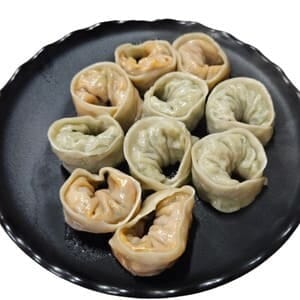
There’s something magical about the first bite of a perfectly steamed Korean dumpling. The delicate wrapper gives way to reveal a burst of savory filling – tender pork, silky tofu, tangy kimchi, and fresh vegetables all mingling together in perfect harmony.
I’ve been making mandu (Korean dumplings) for years, and let me tell you – once you try homemade ones, there’s no going back to the store-bought frozen variety. These aren’t just dumplings; they’re little parcels of comfort food that bring families together.
Today, I’m going to share everything you need to know about making authentic Korean mandu from scratch. We’ll cover the fascinating history, regional varieties, and three different cooking methods that’ll make your kitchen smell absolutely amazing.
The Fascinating Story Behind Korean Mandu
Before we dive into cooking, let’s talk about where these incredible dumplings came from. Mandu arrived in Korea during the 14th century through Mongol invasions during the Goryeo Dynasty. Here’s what makes this story interesting: Korea was predominantly Buddhist at the time, which meant meat was largely forbidden. The Mongolian influence helped relax these dietary restrictions, and suddenly Korean tables were graced with these meat-filled treats.
The name “mandu” itself connects Korea to the ancient Silk Road trade network, sharing linguistic roots with Turkish mantı, Central Asian manti, and Chinese mantou. It’s fascinating how food tells the story of cultural exchange, isn’t it?
But mandu isn’t just about history – it’s deeply woven into Korean family traditions. During Lunar New Year and Chuseok (Korean Thanksgiving), families gather to make hundreds of dumplings together, symbolizing prosperity and togetherness. The communal dumpling-making sessions are as important as eating them!
What Makes Korean Mandu Special?
You might wonder how Korean dumplings differ from Chinese jiaozi or Japanese gyoza. Korean mandu are typically more variable in shape and filling, often featuring tofu as a key ingredient, and are commonly served in broths.
They also tend to have a slightly thicker wrapper that holds up beautifully to different cooking methods.
Ingredients You’ll Need (Makes about 30-35 dumplings)
For the Wrappers:
- 1 package round dumpling wrappers (about 30-35 pieces)
- Pro tip: Look for Korean mandu-pi at Asian markets, but gyoza or wonton wrappers work too
For the Classic Pork and Vegetable Filling:
- 300g (10.5 oz) ground pork (or pork-beef mix)
- 150g (5 oz) firm tofu, well-drained and crumbled
- 1 cup napa cabbage, finely chopped
- 1/2 cup kimchi, chopped and drained (this is the secret ingredient!)
- 1 cup mung bean sprouts, blanched and chopped
- 3-4 garlic chives (buchu), finely chopped
- 1/2 small onion, finely diced
- 2 shiitake mushrooms, diced (optional but recommended)
- 1 tbsp minced garlic
- 1 tsp minced fresh ginger
Seasonings:
- 2 tbsp soy sauce
- 1 tbsp sesame oil
- 1/2 tsp white pepper
- 1 tsp salt
- 1 tbsp toasted sesame seeds
- 1 tsp rice wine (optional)
The Secret to Perfect Mandu: Prep Work
Here’s where most people go wrong – they skip the prep work and end up with soggy, burst dumplings. Let me save you that heartache.
Master the Moisture Control
Salt your vegetables: Toss the chopped napa cabbage with 1 teaspoon of salt and let it sit for 15 minutes. Do the same with any other watery vegetables. This draws out excess moisture that would otherwise make your wrappers fall apart.
Press that tofu: Wrap the tofu in clean kitchen towels and place something heavy on top for at least 20 minutes. I usually put a few cans on top. The drier your tofu, the better your dumplings will hold together.
Drain the kimchi thoroughly: Squeeze that kimchi with your hands until no more liquid comes out. I know it seems harsh, but trust me – wet kimchi is the enemy of good mandu.
Building the Perfect Filling
Once your vegetables are properly drained, squeeze out any remaining water with your hands or in a clean kitchen towel. Now comes the fun part!
In a large bowl, combine the ground pork, crumbled tofu, and all your prepped vegetables. Add the garlic, ginger, and all seasonings. Here’s the key: mix everything with your hands for about 2-3 minutes. This isn’t just about combining ingredients – you’re developing the texture that makes each bite satisfying.
Want to know if your seasoning is on point? Microwave a small spoonful of the mixture for 20-30 seconds and taste it. Adjust as needed!
Folding Mandu: Easier Than You Think
Don’t worry if you’re not an origami master – mandu are forgiving. Here’s my foolproof method:
The Basic Half-Moon Method
- Don’t overfill: Use about 1 tablespoon of filling per wrapper. Less is more when you’re starting out.
- Create a seal: Lightly wet the edges of the wrapper with water using your finger.
- Fold and pinch: Bring the wrapper over to create a half-moon shape and pinch the edges firmly. No air pockets!
- Make it pretty: If you’re feeling confident, create small pleats along the edge or bring the two corners together for a purse shape.
Pro tip: Keep finished dumplings under a damp towel to prevent them from drying out while you finish the batch.
Three Ways to Cook Your Mandu (All Equally Delicious)
1) Jjin-mandu (Steamed) – The Healthy Choice
This is my go-to method when I want to really taste the filling.
Line your steamer with parchment paper or cabbage leaves (prevents sticking). Steam over boiling water for 12-15 minutes. The wrappers should look translucent when done. The texture is tender and the flavors are clean and bright.
2) Gun-mandu (Pan-Fried) – The Crowd Pleaser
This method gives you the best of both worlds: crispy bottom, tender top.
Heat 1 tablespoon oil in a non-stick pan over medium heat. Place dumplings bottom-down and let them get golden (about 3-4 minutes). Here’s the magic: add 1/4 cup water, immediately cover with a lid, and steam for 5 minutes. Remove the lid, let the water evaporate, then add a tiny bit more oil for extra crispiness.
3) Manduguk (Dumpling Soup) – Soul-Warming Comfort
Perfect for cold days or when you’re feeling under the weather.
Bring 4 cups of chicken or anchovy broth to a boil. Gently add your dumplings and cook for 6-8 minutes until they float. Beat an egg and slowly drizzle it in while stirring. Garnish with sliced green onions and a sprinkle of sesame seeds.
Regional Mandu Varieties Worth Trying
Korea’s regional dumpling scene is incredibly diverse. Kaesong, North Korea is famous for Pyeonsu – square-shaped vegetable dumplings served with vinegar soy sauce in summer. Daegu has Napjak-mandu, which are unusually flat dumplings filled with glass noodles and garlic chives.
Then there are the royal court varieties like Eo-mandu, wrapped in sliced fish fillets, and modern innovations like cheese mandu that have become popular with younger generations.
Perfect Dipping Sauces
Classic Korean Style:
2 tbsp soy sauce + 1 tbsp rice vinegar + 1 tsp sesame oil + pinch of red pepper flakes
Spicy Gochujang Sauce:
1 tbsp gochujang + 2 tbsp soy sauce + 1 tsp rice vinegar + 1/2 tsp sugar
Simple and Clean:
Equal parts soy sauce and black vinegar – sometimes simple is best!
Storage and Freezing Tips
Here’s where mandu really shine – they freeze beautifully! Place uncooked dumplings on a parchment-lined baking sheet, freeze until solid (about 2 hours), then transfer to freezer bags. They’ll keep for up to 3 months.
Cooking from frozen: No need to thaw! Just add an extra 2-3 minutes to whatever cooking method you choose.
Why Mandu Are Actually Good for You
Don’t let anyone tell you dumplings can’t be healthy! Mandu are actually quite nutritious:
Complete protein: The combination of pork and tofu provides all essential amino acids.
Probiotics power: That kimchi isn’t just for flavor – it’s loaded with beneficial bacteria for your gut health.
Vegetable variety: Each dumpling packs multiple servings of vegetables, from cabbage to bean sprouts to mushrooms.
Portion control: The individual serving size helps prevent overeating while keeping you satisfied.
Troubleshooting Common Mandu Problems
Wrappers tearing? Your filling is too wet or you’re overstuffing. Drain vegetables better next time.
Bland filling? Don’t forget to salt your vegetables during prep – it’s not just for moisture control, it’s for flavor too!
Dumplings sticking to the steamer? Always line with parchment or cabbage leaves. Oil doesn’t work as well.
The Cultural Impact: How Mandu Went Global
Thanks to the Korean Wave (Hallyu), mandu have gained international recognition alongside K-pop and Korean dramas. You can now find Korean dumplings in major cities worldwide, and many non-Korean home cooks are making them regularly.
This global expansion has also led to fusion varieties – I’ve seen mandu filled with everything from mac and cheese to bulgogi beef, proving that good ideas travel well and adapt beautifully to local tastes.
Final Thoughts: More Than Just Dumplings
Making mandu isn’t just about the end result – it’s about the process. In Korean families, dumpling-making sessions are cherished bonding times where stories are shared and traditions pass from one generation to the next.
There’s something meditative about the repetitive folding, something satisfying about seeing rows of perfect little dumplings lined up on your tray. And when you finally taste that first homemade mandu, with its perfect balance of textures and flavors, you’ll understand why Koreans have been making these for over 600 years.
Start with this basic recipe, then make it your own. Add more vegetables, try different meats, experiment with seasonings. The beauty of mandu lies in their versatility – they’re a canvas for your creativity.
Whether you steam them for a healthy dinner, pan-fry them for a crispy snack, or simmer them in soup on a cold evening, homemade mandu will quickly become one of your favorite comfort foods. Trust me, once you start making these, your friends and family will be asking for the recipe!
So grab your ingredients, clear some counter space, and let’s make some magic happen in the kitchen. Your first batch might not be perfect, but it’ll definitely be delicious. And that’s what really matters, isn’t it?
Thank you for reading this post.
Please note: We do not encourage underage drinking. Enjoy responsibly.