The Ultimate Guide to Crispy Korean Pajeon: Authentic Scallion Pancakes That Actually Stay Crunchy
The Ultimate Guide to Crispy Korean Pajeon
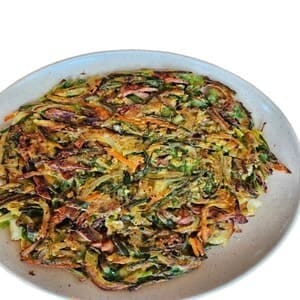
There’s something magical about the sizzle of pajeon hitting a hot pan on a rainy Seoul afternoon. The aroma of green onions caramelizing, the anticipation of that perfect golden-brown crust, and the satisfying crunch when you take that first bite – it’s pure comfort food poetry. But here’s the thing: making truly crispy pajeon at home can feel like chasing a unicorn.
If you’ve ever ended up with soggy, disappointing Korean pancakes that fall apart when you try to pick them up, you’re not alone. After countless kitchen experiments and conversations with Korean grandmothers, I’ve cracked the code to restaurant-quality pajeon that stays crispy from the first bite to the last.
What Makes Pajeon So Special in Korean Culture?
Pajeon (파전) literally translates to “scallion pancake” – with “pa” meaning scallion and “jeon” referring to foods that are battered and pan-fried. But this humble dish carries centuries of Korean history and tradition.
Dating back to the Joseon Dynasty (1392-1897), pajeon was initially a royal delicacy. The famous Dongnae pajeon from Busan even has a legendary backstory: local folklore claims that during the Japanese invasions, brave Koreans threw scallions at enemy soldiers before defeating them. The victory pancake was later presented to the king himself!
The Rainy Day Tradition
Ask any Korean about pajeon, and they’ll smile and mention rainy days. There’s a beautiful cultural tradition of enjoying pajeon with makgeolli (Korean rice wine) when it’s pouring outside. Some say it’s because the sound of raindrops mimics the sizzling of pancakes in the pan. Others believe it stems from Korea’s agricultural past – when farmers couldn’t work the fields during storms, they’d gather indoors with simple ingredients and homemade rice wine, turning a gloomy day into a cozy celebration.
The Secret to Crispy Pajeon (Finally!)
After testing every technique imaginable, here are the game-changing secrets that professional Korean cooks swear by:
The Batter Magic
- Cold water is non-negotiable: Ice-cold water prevents gluten development, which is the enemy of crispiness
- Add a pinch of baking powder: This creates tiny air bubbles for a lighter, crispier texture
- Sparkling water upgrade: Some chefs replace regular water with club soda for extra crunch
- The flour ratio: Mix all-purpose flour with a bit of cornstarch or potato starch for the perfect texture
The Oil Strategy
Here’s where most home cooks go wrong: you need generous amounts of oil. We’re talking 3-4 tablespoons minimum. Think of it as shallow frying rather than regular pan-frying. This creates that coveted crispy exterior that holds its shape when you pick it up.
Perfect Pajeon Recipe (Serves 2-3 as a main, 4-6 as appetizer)
Ingredients
For the Pancakes:
- 6-8 large green onions (scallions), cut into 2-inch pieces
- 1 cup all-purpose flour
- 2 tablespoons cornstarch or potato starch
- 1 teaspoon baking powder
- 1 teaspoon salt
- 1 cup ice-cold water
- 1 large egg
- 1/2 teaspoon garlic powder
- Vegetable oil for frying (about 1/2 cup total)
Optional Add-ins:
- 6 oz mixed seafood (shrimp, squid, clams)
- 1/2 cup chopped kimchi
- 1 medium carrot, julienned
- 2-3 Korean chili peppers, sliced
For the Dipping Sauce:
- 3 tablespoons soy sauce
- 1 tablespoon rice vinegar
- 1 teaspoon sesame oil
- 1/2 teaspoon Korean chili flakes (gochugaru)
- 1 clove garlic, minced
- 1 green onion, finely chopped
- 1/2 teaspoon toasted sesame seeds
Step-by-Step Instructions
1. Prep Your Ingredients (5 minutes)
Pat your green onions completely dry with paper towels – excess moisture is the enemy of crispiness. If using seafood, drain it well and pat dry. Make your dipping sauce by whisking all sauce ingredients together and set aside.
2. Create the Perfect Batter
In a large bowl, whisk together flour, cornstarch, baking powder, salt, and garlic powder. In a separate bowl, beat the egg with the ice-cold water. Pour the wet ingredients into the dry ingredients and whisk just until smooth – don’t overmix! The batter should be slightly thinner than American pancake batter.
3. Heat Your Pan Like a Pro
Use a large non-stick or well-seasoned cast iron pan (10-12 inches). Heat 3-4 tablespoons of oil over medium-high heat for a full 4-5 minutes. The oil should be shimmering but not smoking.
4. The Layering Technique
Here’s the secret method: First, add your green onions directly to the hot oil, arranging them in a single layer. Let them sizzle for about 30 seconds until they start to soften. Then pour half the batter over the onions, tilting the pan to spread evenly. If using add-ins, sprinkle them on now, then pour the remaining batter over the top.
5. The Perfect Flip
Cook for 3-4 minutes until the edges are golden and you see bubbles forming on the surface. Here’s the confidence-building tip: slide your spatula all around the edges first to make sure nothing’s sticking. Then, flip quickly and decisively! Add another tablespoon of oil around the edges.
6. Double-Crisp Method
Cook the second side for 3 minutes, then – and this is crucial – flip it one more time. Press down gently with your spatula and cook for another minute. This double-flip technique ensures both sides achieve that perfect crunch.
7. Serve Immediately
Transfer to a cutting board and slice into wedges or squares. Serve hot with the dipping sauce. The key is serving immediately while it’s still crispy!
Pajeon Variations to Try
Haemul Pajeon (Seafood Scallion Pancake)
The crown jewel of pajeon varieties! Add a mixture of shrimp, squid, and clams for an oceanic flavor bomb. This version is especially popular in Busan’s coastal areas.
Kimchi Jeon
Replace half the green onions with well-drained chopped kimchi for a tangy, spicy kick. The fermented flavors add incredible depth.
Vegetable Medley Pajeon
Add julienned zucchini, carrots, and bell peppers for a colorful, veggie-packed version that’s perfect for using up produce.
Gluten-Free Pajeon
Substitute the all-purpose flour with rice flour or a gluten-free flour blend. Add an extra tablespoon of cornstarch for structure.
The Health Benefits You Didn’t Expect
While pajeon is definitely comfort food, green onions pack a surprising nutritional punch:
- Rich in antioxidants: Green onions contain high levels of vitamin C, vitamin A, and flavonoids that support immune function
- Heart-healthy compounds: Sulfur compounds in onions may help reduce cholesterol and blood pressure
- Digestive benefits: The fiber content supports gut health and digestion
- Bone health: Green onions provide vitamin K and calcium for strong bones
- Anti-inflammatory properties: Natural compounds help reduce inflammation in the body
Pro Tips for Pajeon Perfection
Troubleshooting Common Issues
Soggy pancakes: Usually caused by insufficient oil, wet ingredients, or overcrowding the pan. Make sure ingredients are patted dry and use plenty of oil.
Pancake falls apart: Your batter might be too thin, or you flipped too early. Wait until you see golden edges before attempting to flip.
Uneven cooking: Your pan might not be evenly heated, or the batter layer is too thick. Keep pancakes thin and ensure your pan is properly preheated.
Storage and Reheating
Leftover pajeon can be stored in the refrigerator for up to 3 days. To restore crispiness, reheat in a dry pan over medium heat or use an air fryer at 350°F for 3-4 minutes. Avoid microwaving, which makes them soggy.
Perfect Pairings
Traditional Korean Style: Serve with makgeolli (Korean rice wine) and banchan (side dishes) like kimchi and pickled radish.
Modern Fusion: Try with craft beer, sparkling wine, or even serve as a side with Korean BBQ.
Meal Ideas: Pajeon makes an excellent appetizer, light lunch with soup, or snack for parties.
Cultural Etiquette and Eating Tips
In Korea, pajeon is typically shared communally. One person holds the pancake steady with their chopsticks while others tear off pieces – it’s a social eating experience! Don’t worry about perfect pieces; the rustic, torn approach is actually more authentic than neat knife cuts.
Where to Find Ingredients
Most ingredients are available at regular supermarkets, but for the best results:
- Korean grocery stores carry pancake mix (buchim garu) for convenience
- Asian markets have better green onion varieties and gochugaru
- Online retailers stock hard-to-find ingredients like makgeolli
Final Thoughts
Mastering pajeon is about more than just following a recipe – it’s about understanding the soul of Korean comfort food. The crispy exterior giving way to tender green onions, the communal joy of sharing food with loved ones, and the simple pleasure of turning basic ingredients into something extraordinary.
Whether you’re making it on a rainy afternoon with a glass of makgeolli or serving it at your next dinner party, pajeon connects us to centuries of Korean culinary tradition. And now that you know the secrets to perfect crispiness, you can create that Seoul street food magic right in your own kitchen.
So grab those green onions, heat up that oil, and get ready to impress everyone with your newfound pajeon prowess. Trust me, once you nail that perfect crispy texture, you’ll understand why Koreans have been obsessed with this humble pancake for generations.
What’s your favorite pajeon variation? Share your creations and tips in the comments below – I’d love to see how your Korean pancake journey unfolds!
Thank you for reading this post.
Please note: We do not encourage underage drinking. Enjoy responsibly.