
Easy Bibimbap Recipe: Your Complete Guide to Korea’s Favorite Mixed Rice Bowl
Easy Bibimbap Recipe: Your Complete Guide to Korea’s Favorite Mixed Rice Bowl
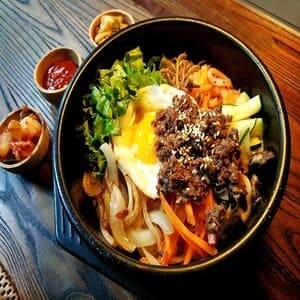
Bibimbap is one of Korea’s most beloved dishes – a colorful bowl of rice topped with seasoned vegetables, meat, a fried egg, and spicy gochujang sauce, all mixed together into one delicious, nutritious meal.
It’s basically the perfect comfort food that happens to be incredibly healthy too! With the growing focus on wellness and balanced eating in 2025, more people are discovering how easy it is to make this satisfying Korean dish right at home.
Let me walk you through everything you need to know to create your own amazing bibimbap bowl.
What Goes Into Bibimbap: Getting Your Ingredients Ready
The beauty of bibimbap lies in how different ingredients come together to create something magical. You’ve got your rice as the base, various seasoned vegetables (called “namul”), some protein, a fried egg on top, and that signature red pepper paste called gochujang. The best part? You don’t need anything fancy – most of what you need is probably already sitting in your fridge!
Basic Bibimbap Ingredients:
- 1 bowl of cooked rice
- 2 oz fresh spinach
- 2 oz bean sprouts
- 1/2 carrot
- 1/2 zucchini
- 2 oz mushrooms (shiitake or oyster mushrooms work great)
- 1 egg
- 2 oz ground beef (or substitute with tofu for vegetarians)
- 1 tablespoon sesame oil
- 2 tablespoons gochujang (Korean red pepper paste)
- A sprinkle of sesame seeds
How to Prep Your Ingredients:
• Blanch the spinach quickly, then season it with salt and sesame oil
• Boil the bean sprouts briefly, then mix with soy sauce, minced garlic, and sesame oil
• Julienne the carrot and zucchini, then lightly stir-fry them
• Sauté the mushrooms with soy sauce and sesame oil for extra flavor
• Season the ground beef with soy sauce, a bit of sugar, and minced garlic, then cook it up
Step-by-Step Bibimbap Making (It’s Easier Than You Think!)
Your Complete Bibimbap Guide:
- Step 1: Get Your Rice Right
Cook your rice so it’s slightly firm – not too soft or mushy. Since you’ll be adding vegetables, meat, and sauce, you want the rice to hold its texture when everything gets mixed together. - Step 2: Prep Your Vegetables
Blanch your spinach and bean sprouts separately. For the spinach, just a quick dip in boiling water, then season with salt and sesame oil. The bean sprouts get the same treatment, but season them with soy sauce and a little garlic for that classic Korean flavor. - Step 3: Stir-Fry the Colorful Stuff
Cut your carrot and zucchini into thin strips and give them a quick stir-fry over medium heat. Don’t go overboard with the oil – just enough to soften them while keeping that nice color and crunch. - Step 4: Get Your Protein Ready
For the mushrooms, a quick sauté with soy sauce and sesame oil brings out their earthy flavor. The ground beef gets seasoned with soy sauce, a touch of sugar, and minced garlic before cooking. If you’re going vegetarian, cubed tofu or extra mushrooms work perfectly! - Step 5: The Perfect Egg
Fry your egg sunny-side up, keeping the yolk slightly runny. When you mix everything together, that creamy yolk becomes like a natural sauce that makes everything taste incredible. - Step 6: Assembly Time
Put your rice in a bowl and arrange all your prepared vegetables, meat, and mushrooms on top in colorful sections. Place that beautiful fried egg right in the center, drizzle with sesame oil, sprinkle some sesame seeds, and add a dollop of gochujang on the side. - Step 7: Mix It Up!
Here’s the fun part – mix everything together with your spoon! Add as much or as little gochujang as you like. Some people prefer to add a splash of soy sauce for a milder flavor. Just stir it all up and enjoy!
Making Your Bibimbap Extra Healthy and Delicious
Bibimbap is already pretty healthy, but here are some tricks to make it even better for you:
- First, try using brown rice or mixed grains instead of white rice.
You’ll get more nutrients and fiber, plus it keeps you full longer. - Second, load up on vegetables!
Add bell peppers, broccoli, or cabbage to make your bowl even more colorful and nutritious. - Third, go easy on the gochujang if you’re watching your sodium.
You can always add more soy sauce and sesame oil for flavor instead. - Fourth, boost the protein with extra eggs, chicken breast, or tofu if you want a more filling meal.
- Fifth, make it completely vegetarian by skipping the meat and adding more mushrooms or tofu.
It’s just as satisfying!
Bibimbap really is the perfect combination of taste, nutrition, and visual appeal all in one bowl. It’s surprisingly easy to make at home, and you’re getting a balanced mix of vegetables, grains, and protein in every bite – exactly what we all need for healthy eating in 2025.
Whether you’re cooking for the family or treating yourself to a solo meal, give homemade bibimbap a try.
Once you taste how fresh and satisfying it is, you’ll understand why this Korean comfort food has won hearts all around the world!
Thank you for reading this post.
Please note: We do not encourage underage drinking. Enjoy responsibly.