How to Make Korean Short Rib Soup (Galbitang) – Easy Traditional Korean Comfort Food Recipe
How to Make Korean Short Rib Soup (Galbitang)
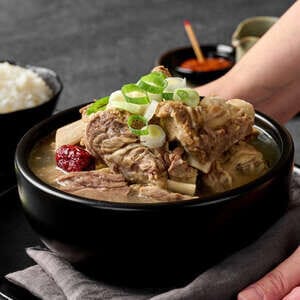
Korean short rib soup, known as “Galbitang” in Korean, is one of Korea’s most beloved comfort foods. This traditional nourishing soup features tender beef short ribs simmered for hours to create a clear, flavorful broth that warms you from the inside out.
What makes this soup so special? The magic happens during the long, slow cooking process. The beef short ribs become incredibly tender while releasing their rich flavors into a crystal-clear broth that’s both refreshing and satisfying.
This soup is perfect for any season, but it’s especially popular during cold weather or when you need something nourishing after a long day. Even international food lovers are discovering this gem, often calling it “Korean Short Rib Soup,” and it’s quickly becoming a favorite way to experience Korea’s warm food culture.
Today, I’ll walk you through everything you need to know – from choosing the right ingredients to mastering the step-by-step cooking process, plus some insider tips to make your galbitang absolutely delicious.
What You’ll Need: Ingredients and Prep Work
Basic Ingredients (serves 4 people)
- 2.2 lbs (1kg) beef short ribs
- 10 oz (300g) Korean radish (or daikon radish)
- 2 green onions
- 8 garlic cloves
- 1 medium onion
- Small piece of fresh ginger
- Salt and white pepper to taste
- 1 tablespoon light soy sauce (optional)
- Small handful of sweet potato noodles (for garnish)
- Egg strips and chopped green onions (for garnish)
Getting Everything Ready
Here’s what you need to do before you start cooking:
- Soak the ribs: Put your short ribs in cold water for 2-3 hours. This removes the blood and gives you that clear broth we’re after.
- Prep your vegetables: Cut the radish into large chunks, and separate the white and green parts of your green onions.
- Keep aromatics whole: Leave the garlic cloves and ginger in big pieces – we’ll strain them out later.
- Soak the noodles: If you’re using sweet potato noodles, get them soaking in warm water now.
Step-by-Step Cooking Instructions
Step 1: Clean the Ribs
After soaking, bring a pot of water to boil and blanch the ribs for about 5 minutes. This gets rid of any impurities and excess fat. Drain and rinse the ribs with cold water.
Step 2: Start the Long Simmer
In a large pot, combine the blanched ribs with fresh water, radish chunks, green onion whites, garlic, onion, and ginger. Bring everything to a rolling boil over high heat, then reduce to low heat and let it simmer for at least 1 hour.
Step 3: Strain for Crystal Clear Broth
Remove all the solid ingredients and strain the broth through a fine mesh strainer. This is what gives you that beautiful, clear soup that galbitang is famous for.
Step 4: Prepare the Ribs and Radish
Cut the cooked radish into bite-sized pieces. Take the ribs and lightly season them with a bit of soy sauce, minced garlic, and pepper, then add them back to the strained broth.
Step 5: Final Cooking
Add the seasoned ribs and radish pieces back to the pot. Season the broth with salt and a touch of light soy sauce if you want a slightly deeper color. Let everything simmer together for another 15-20 minutes.
Step 6: Serve It Up
Ladle the soup into bowls and top with the soaked sweet potato noodles, thin egg strips, and chopped green onions. Serve hot with steamed rice on the side.
Pro Tips for Perfect Galbitang
- Keep That Broth Clear: The secret to restaurant-quality galbitang is constantly skimming off the foam that rises to the surface while cooking. It takes a little patience, but it’s worth it for that crystal-clear broth.
- Low and Slow is the Way: Don’t rush this soup! The minimum cooking time is 2 hours, but 3-4 hours will give you even more incredible flavor. The longer you cook it, the more tender the meat becomes.
- Season Lightly: Galbitang should taste clean and refreshing, not heavy or salty. Start with less seasoning – you can always add more, but you can’t take it away.
- Save That Liquid Gold: If you have leftover broth, don’t throw it away! It makes an amazing base for noodle soups or even Korean rice cake soup (tteokguk).
- Make It International-Friendly: If you’re serving this to friends who aren’t used to Korean food, try serving it with noodles instead of rice. It feels more familiar and comfortable for many people.
Why This Recipe Works Every Time
The beauty of galbitang lies in its simplicity. You don’t need fancy ingredients or complicated techniques – just good beef short ribs, patience, and a little know-how.
This soup represents everything wonderful about Korean home cooking: it’s nourishing, comforting, and brings people together around the table. The clear broth might look simple, but it’s packed with deep, rich flavors that develop during the long cooking process.
Whether you’re cooking for your family on a cold evening or wanting to share a piece of Korean culture with friends, galbitang is always a winner. The preparation might take some time, but most of it is hands-off simmering, so you can go about your day while the magic happens in the pot.
Give this recipe a try, and I guarantee you’ll understand why Koreans have been making this soul-warming soup for generations. Once you taste that first spoonful of clear, flavorful broth with tender beef, you’ll be hooked!
Thank you for reading this post.
Please note: We do not encourage underage drinking. Enjoy responsibly.